Commercial Waste Removal in Penge

Commercial waste removal in Penge should be straightforward, orderly and suited to the way your business actually works. We remove everyday non-hazardous business waste, bulky mixed items and recyclable materials from premises that need a dependable clear-out without turning the day upside down. The service is built around practical collection, careful handling and a clear approach to what is taken, so offices, shops, studios, workshops and shared premises can keep moving while unwanted material is dealt with properly.
If you need business waste collection that fits around trading hours and site access, we can help with regular or one-off removals. The work may involve bagged rubbish, broken furniture, cardboard, shelving, packaging or other operational waste that has built up after a refit, a stock change or an office tidy. Tell us what needs shifting, and we can advise on the right type of collection and the best way to organise it.
For a quotation, use the enquiry route that suits you best and give a simple outline of the items, the access and the amount of waste involved. That helps us match the job to the right collection method and reduces avoidable delays. Start with a brief description rather than trying to package everything into a perfect list. If the load includes mixed materials, mention that too so the collection can be planned properly.
Business waste collections arranged for local premises
Our commercial waste removal service covers day-to-day clearances where bins are no longer enough and a fuller uplift is needed. We can remove accumulations from back rooms, storage corners, staff areas and customer-facing spaces when the waste is no longer suitable for simple disposal by the business itself. The aim is to provide a tidy, direct service that supports the pace of a working site without unnecessary disruption or muddled handovers.
Typical commercial waste can include redundant office furniture, packaging, display material, archive bags, offcuts, broken fixtures and general non-hazardous rubbish. Some premises need a single collection after a move or refurbishment, while others need a recurring solution for periodic build-up. We work across different commercial settings, so the collection can be shaped around the type of waste, how much there is and how it is stored on site.
When you are ready to compare options, a clear specification is more useful than a long explanation. It helps to note whether the waste is loose or bagged, whether it is on the ground floor or another level, and whether anything particularly heavy or awkward needs attention. If you are still deciding, ask for a quotation and say what outcome you want from the clearance, whether that is a single load or an ongoing arrangement.
What we can remove from commercial sites

Many customers need the practical removal of materials that have come from normal trading, storage or maintenance rather than specialist demolition. The service is suited to furniture disposal, light fit-out waste, cardboard, packaging, mixed general rubbish and similar items that can be gathered and taken away in a controlled way. Where items are bulky but not technically difficult, a well-planned collection can free space quickly and keep the remainder of the site usable.
For clarity, it is often helpful to think in categories. A simple job might contain only office chairs and desks; a more varied one could include shelving, signage, stock fixtures and stacks of packaging from deliveries or a move. Mixed waste can be handled more cleanly when it is grouped before collection, especially if the premises is active and only part of the site can be made available at one time. We can then deal with the waste in a way that is more orderly for everyone involved.
Useful items to mention in an enquiry include:
- the main item types
- rough volume or number of bags
- any especially heavy pieces
- the floor level and access route
- whether the collection needs to avoid opening hours
Office clearances and internal workspace waste
An office clearance usually needs careful sequencing rather than brute force. Desks, chairs, filing units, monitors, cable waste and old storage items may all be involved, but the collection has to respect the layout of the building and the working pattern of the business. We can remove redundant items from offices, shared workspaces, meeting rooms and storage areas while keeping the process controlled and tidy.
This is also the point where a business may want to separate what is being discarded from what should remain in use. A little planning helps avoid accidental disposal of items that are still needed, and it is often sensible to prepare a clear pile or room for the material to be removed. If confidential papers are involved, they should be identified in advance so the right disposal route can be chosen rather than mixed in with standard rubbish.
Commercial clearances often go more smoothly when the collection point is easy to reach and the decision-maker is available to confirm what is going. If that is not possible, a short written note describing the agreed items can keep the job moving in the right direction. When you are ready to proceed, ask for a quotation and describe the office area, the amount of furniture and any access limits that may apply.
Furniture disposal for business premises
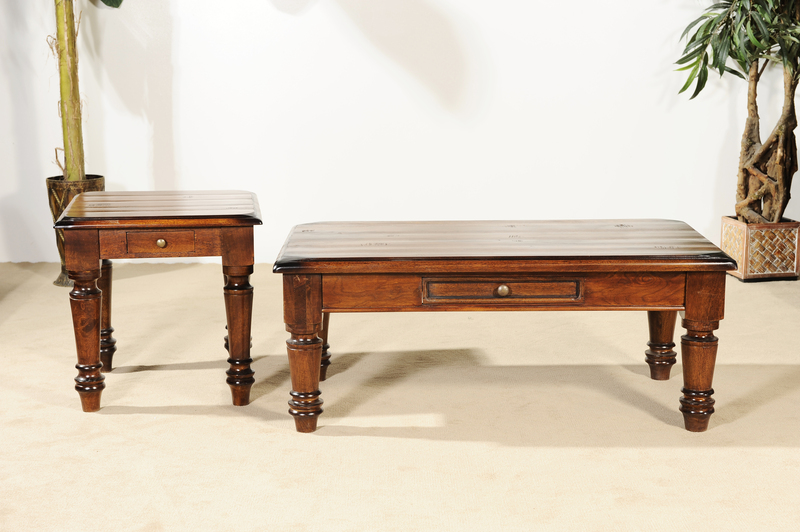
Furniture disposal forms a major part of many commercial waste removal jobs because businesses regularly replace or reconfigure their interiors. We can remove items such as desks, reception seating, meeting tables, filing cabinets, shop fittings and other unwanted furniture that no longer fits the space or the current layout. The work is useful when a premises is being refreshed, downsized or cleared between occupants, and the collection can usually be planned around the items that need to leave first.
Not every furniture item is handled in the same way, so separating the pieces by type can make the job simpler. Some items are light but awkward, while others are heavier and need more careful movement through corridors or stairs. Unwanted furniture should also be checked for attached components such as glass, drawers, loose shelves or cables, because these details can affect how the collection is organised. A concise description of the load helps us plan the best route and method.
Where possible, keep any items for reuse apart from those destined for disposal. That makes it easier to avoid confusion and protects the pieces you still intend to keep. If you are comparing the cost of disposal against the amount of furniture involved, ask for a quotation and mention whether the pieces are assembled, dismantled or stored in more than one room. That allows the collection to be matched to the real work involved.
About Penge
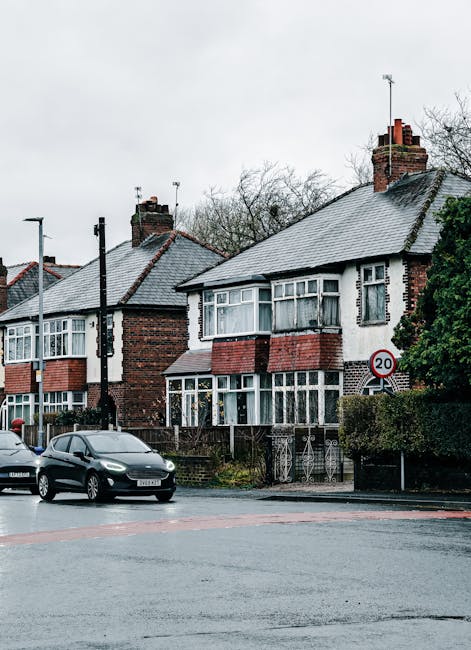
Penge is a district in south-east London within the London Borough of Bromley, with parts of its street pattern and rail links shaped by nineteenth-century suburban growth. The area sits close to Crystal Palace Park and to other well-known south London neighbourhoods, and its built environment reflects a mixture of terraces, later infill, parade shops and transport corridors. Penge High Street and the surrounding roads show a layered commercial character, while residential streets nearby retain much of the sense of a developed railway suburb. The area takes its name from an older place-name recorded long before modern development, and its later growth was closely tied to changing transport connections across south London. Rail travel helped Penge become more accessible during the nineteenth century, and that development is still visible in the form of station-adjacent streets and mixed-use frontages. Within the broader district, there are pockets of open green space, including access to nearby parks and linear routes that connect to surrounding neighbourhoods. The local setting is also influenced by the legacy of the Crystal Palace, whose historical presence helped shape the wider identity of the district even after the building itself disappeared. Today Penge is understood as an urban area with strong everyday local functions rather than a single landmark destination, combining shops, housing and movement routes in a compact, lived-in pattern.
Collection planning and access on active sites
Commercial waste removal is easier to organise when the access route is known in advance. That may mean a ground-floor doorway, a rear service route, a loading bay or a shared entrance with timing restrictions. We can work around those constraints when the collection details are clear, which helps avoid unnecessary waiting or repeated handling of the same items. On busier sites, a short window for loading is often more practical than a broad, unspecified arrival period.
It also helps to think about how the material is stored before collection. Items left in a single accessible area are generally simpler to remove than waste spread across multiple rooms, stairwells or floors. If the waste includes loose bags, broken furniture or scattered packaging, grouping it before the visit can make the handover smoother. That said, the point is not to make the site perfect; it is simply to remove avoidable confusion so the work can be completed efficiently.
When requesting a quotation, give a straightforward description of the access and the number of areas involved. If you are unsure whether the job is better treated as a one-off clearance or a repeat service, say so in the enquiry and ask for a recommendation. See pricing and quotes for the main ways to raise a request.
Office and business waste with sorting in mind

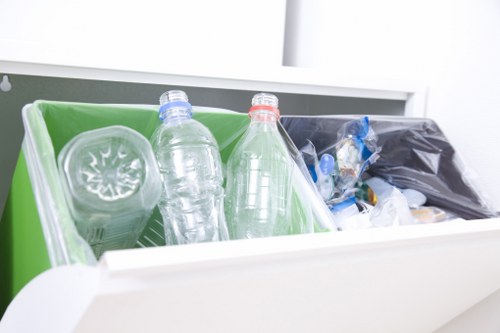
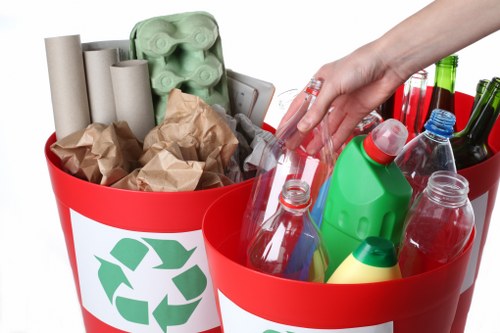
Some commercial waste removal jobs benefit from basic sorting before collection, especially where a business is dealing with a mixture of recyclable material, general rubbish and bulky items. Cardboard, clean packaging and paper waste may be easier to handle separately from damaged furniture or mixed waste from a clear-out. That does not require a complicated process; it only means giving the collection a more sensible structure so the material is easier to move and process afterwards.
Sorting can also make it simpler to see whether any items need special attention. For example, a load of office waste may contain items that should remain on site, confidential material that requires secure handling, or electrical equipment that needs to be identified clearly. We can help with the non-hazardous removal side of the job, but it is still important that the customer flags anything unusual when asking for a quotation. That keeps expectations realistic and supports safer planning.
If your business has a changing waste pattern, it can be useful to keep notes on the kinds of material that appear most often and how quickly space fills up. That makes later collections easier to specify. For the next step, make a brief enquiry and tell us what type of commercial clearance you need, then we can discuss the most suitable approach.
Other business waste services we support
Commercial waste removal is often one part of a wider property or premises tidy-up, so the service can sit alongside other clearances where needed. Depending on the site, that may involve a garage clearance, loft clearance, house clearance, flat clearance or garden clearance when the items to be removed are not purely business-based. We can also handle specific bulky items through furniture clearance, fridge and appliance removal, mattress and sofa disposal, or related waste removal work where the materials are suitable for collection.
Different jobs suit different scopes, and the right choice usually depends on what is being removed rather than the label on the service. A shop closure might need a mixture of furniture disposal and general waste clearance, while an office refresh may only need desks, chairs and bags of redundant material. Our focus is to keep the collection category clear so the right items are included without creating an overcomplicated plan.
For a clean and efficient quote, it is usually enough to note the type of premises, the main items and whether the waste is concentrated in one place or spread around. If the work involves a wider clear-out, say that from the start so the collection can be matched to the actual load rather than a partial description. You can then ask for the most suitable option and move forward at a pace that suits the business.
Waste types, limitations and sensible next steps
Like any commercial waste removal service, this work has practical limits, and it is better to be precise about them from the beginning. The service is intended for non-hazardous commercial waste and ordinary bulky items that can be safely collected under normal site conditions. If your material includes chemicals, clinical waste or other specialist categories, those need a separate discussion because they are not part of a standard business clearance.
Where the load is straightforward, the main questions are usually about access, size and item type rather than complexity. A few heavy pieces may need a different lifting approach, and multiple rooms may take more time to clear than a single storage area. It is better to state any awkward features clearly so the job can be planned correctly. That way the quotation reflects the real collection rather than a guess.
For the simplest next step, gather a brief list of what needs removing, note the access route and decide whether the job is one-off or recurring. Then request a quotation and include any timing preferences that matter to the site. Contact us to request a quote when you are ready to arrange the collection.