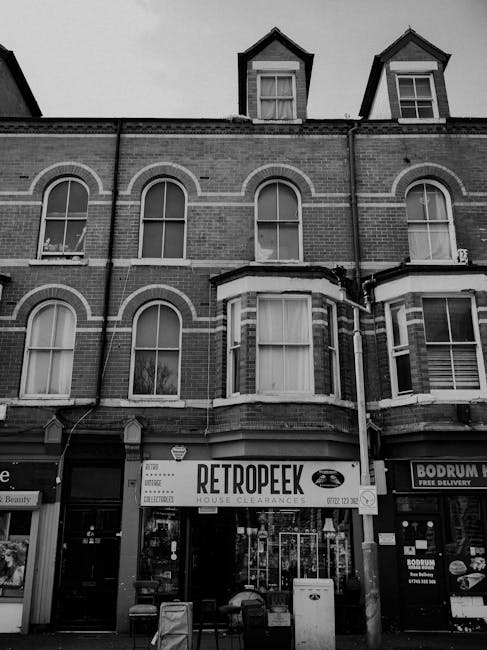
SE20 House Clearance and Rubbish Removal on Anerley Road: A Practical Local Guide
If you are searching for SE20 house clearance and rubbish removal on Anerley Road, you are probably dealing with a very ordinary but surprisingly stressful problem: too much stuff, not enough time, and a space that needs to be cleared properly. Maybe it is a flat that has filled up over years. Maybe it is an inherited property. Or maybe you simply need bulky waste gone without turning your week into a headache. Either way, the job needs doing cleanly, safely, and with as little fuss as possible.
This guide explains how house clearance and rubbish removal typically work in SE20, what to expect on Anerley Road, and how to make sensible choices about furniture, appliances, general waste, and awkward items. We will also cover compliance, common mistakes, and a few practical tips that save time and money. No fluff. Just the useful stuff.
- Why SE20 house clearance and rubbish removal on Anerley Road matters
- How SE20 house clearance and rubbish removal on Anerley Road works
- Key benefits and practical advantages
- Who this is for and when it makes sense
- Step-by-step guidance
- Expert tips for better results
- Common mistakes to avoid
- Tools, resources and recommendations
- Law, compliance, standards, and best practice
- Options, methods, and comparison table
- Case study or real-world example
- Practical checklist
- Conclusion
- Frequently asked questions
Why SE20 house clearance and rubbish removal on Anerley Road Matters
Anerley Road sits in a busy part of SE20, and that matters more than people realise when they are planning a clearance. In a quieter street, you might have a little more wiggle room. On a road with regular traffic, limited parking, and neighbours who are trying to get on with their day, a clearance has to be handled with care.
House clearance is not just about emptying a property. It is about removing the right items, separating what can be reused or recycled, and avoiding unnecessary disruption. Rubbish removal can be even more varied: one job may involve a few bin bags and a broken wardrobe, while another might include a full property clearance after a move, renovation, or bereavement. Same postcode. Very different jobs.
And that is the main point. The right approach depends on the load, access, urgency, and what you want to happen to the items. A rushed decision can create extra cost, wasted time, or a pile of waste that sits around far longer than it should. To be fair, nobody wants that on their doorstep.
For many households and landlords, the need is simple: clear the space quickly and properly, then get back to normal. If that is the goal, services such as house clearance and broader waste removal support can be a sensible fit, especially when bulky furniture or mixed rubbish is involved.
How SE20 house clearance and rubbish removal on Anerley Road Works
Most clearances follow a fairly straightforward pattern, even if the property itself is not straightforward at all. A first conversation usually covers the type of waste, approximate amount, access, and timing. Then the team arrives, checks what is there, and carries out the removal with the least disruption possible.
In a real-world Anerley Road setting, that may mean planning around narrow frontages, shared entrances, upstairs flats, or limited parking. Good planning makes a noticeable difference. It is one of those behind-the-scenes details that the customer may not see, but absolutely feels if it goes wrong.
For house clearance, the process often includes separating furniture, appliances, bagged waste, and items with reuse potential. For general rubbish removal, the emphasis may be on swift uplift and responsible disposal. If you are clearing a flat, it can help to look at flat clearance as well, because apartment access usually brings its own practical quirks.
Special items need special handling. A fridge, freezer, or washing machine is not treated like ordinary rubbish, and items such as mattresses, sofas, or some hazardous materials need care and correct routing. That is why a good clearance service should be able to explain, in plain English, what happens to each category of waste.
Here is the simplest version of how it should work:
- You describe the job clearly.
- The provider estimates the scope and likely cost.
- The team arrives at the agreed time.
- Items are removed, sorted, and loaded.
- Recyclable or reusable materials are separated where possible.
- The property is left swept through and ready for the next step.
That sounds basic, and in a good way it is. The best clearances feel calm, not dramatic. A bit of method, a bit of muscle, and a lot less clutter by lunchtime.
Key Benefits and Practical Advantages
The most obvious benefit is space. Once a room is cleared, it is easier to clean, decorate, rent out, sell, or use properly again. But the advantages go beyond the obvious. A well-managed clearance can save you several separate trips, stop skip space from being wasted on heavy furniture, and reduce the chance of lifting injuries or damage to walls and floors.
There is also a sustainability angle. A responsible provider should aim to divert as much as possible away from landfill through reuse and recycling. That can matter quite a lot when a clearance contains decent furniture, dismantled fittings, or materials that can be sorted correctly. If sustainability is important to you, it is worth looking at recycling and sustainability information before you book.
Other practical advantages include:
- Less stress: You do not have to organise vans, lifting, disposal routes, or multiple drop-offs.
- Faster turnaround: Helpful when you are moving, letting, selling, or dealing with a time-sensitive property.
- Safer handling: Bulky items and awkward waste can be moved without risky DIY lifting.
- Cleaner finish: A proper clearance leaves the space ready for whatever comes next.
- Better sorting: Furniture, appliances, and mixed waste can be handled in the right way.
One underrated benefit is decision relief. A room full of stuff can make every next step feel harder. Once the clearance begins, the whole job suddenly looks more manageable. Funny how that works.
Who This Is For and When It Makes Sense
SE20 house clearance and rubbish removal on Anerley Road makes sense for a wide range of people, not just those clearing a whole family home. In practice, the job often falls into one of a few common scenarios.
- Homeowners clearing a property before sale, renovation, or downsizing.
- Tenants needing to remove leftover items at the end of a tenancy.
- Landlords and agents preparing a property for viewings or new occupants.
- Families handling an inherited home or a difficult life event.
- People in flats with bulky items that cannot realistically be taken down the stairs alone.
- Homeworkers clearing an office, spare room, or storage-heavy area.
It also makes sense when the waste is mixed. A sofa, a couple of wardrobes, broken shelves, some bagged rubbish, and a fridge are not ideal for a casual DIY approach. In that kind of situation, it is often more efficient to book a combined clearance rather than trying to separate everything into multiple solutions.
If the job is mainly old furniture, you may want to explore furniture clearance or furniture disposal. If it includes loft clutter, a dedicated loft clearance may be a better fit. Different jobs, different rhythms. That part matters.
It makes less sense if you only have a few very small items and easy council-bin waste. But even then, if the items are bulky, heavy, or urgent, paying for convenience can be worth it. Let's face it, time is not free.
Step-by-Step Guidance
If you want the process to run smoothly, the key is preparation. Not over-preparation. Just enough to make the visit efficient and to avoid awkward back-and-forth on the day.
1. Separate what stays from what goes
Before anything is moved, walk through the property and mark what is definitely being removed. If there are items with sentimental value, important paperwork, or anything you want to keep, set them aside early. It sounds obvious, but in a cluttered room it is very easy to misjudge what belongs to whom.
2. Group similar items together
Keep furniture in one area, bagged rubbish in another, and anything hazardous or unusual clearly identified. This helps the team work faster and reduces the chance of confusion. A little sorting can save a lot of hauling about later.
3. Check access routes
Doors, stairwells, hallways, and outside parking all affect how the clearance is handled. On Anerley Road, access planning can be the difference between a smooth visit and a stop-start shuffle with furniture. If the route is tight, say so in advance. That is not a problem; it is just information.
4. Flag special items early
Anything unusual should be mentioned before the visit: fridge freezers, mattresses, sofas, builders' rubble, confidential papers, or potentially hazardous waste. If you have appliances, services such as fridge and appliance removal can help keep the job organised.
5. Confirm the booking details
Double-check the time, address, access notes, and the scope of the work. If you have a narrow time window, say that clearly. A 20-minute misunderstanding can become a frustrating afternoon. Nobody needs that.
6. Be present if possible
Where practical, being on site helps answer questions quickly. If you cannot be there, make sure someone trustworthy can confirm what goes and what stays.
7. Inspect the result
Once the clearance is done, take a final look around. Check corners, cupboards, under stairs, and loft access if relevant. The better jobs end with that quiet feeling that the place is finally breathing again.
Expert Tips for Better Results
Here are the small things that make a big difference. In our experience, most clearance headaches come from not enough detail up front rather than from the actual lifting.
- Photograph the waste before booking. A few clear photos usually help with a more accurate estimate.
- Tell the provider about awkward access. Narrow stairs, no parking, or a top-floor flat can affect timing and cost.
- Ask how items are handled. Reuse, recycling, and proper disposal should all be part of the conversation.
- Separate confidential papers early. If the job includes documents, ask about confidential shredding rather than simply binning them.
- Make a quick inventory. Even a rough list can prevent disputes or missed items.
- Keep one space clear for loading. A hallway or front room with a clear path speeds everything up.
One small but useful habit: put a coloured note or tape on anything that should not be touched. It feels a bit old-fashioned, maybe, but it works. Especially when several people are involved and everyone is half-rushing.
If the job is more than a single room and includes stored belongings, a broader home clearance approach can be better than trying to piece together a load category by category.
Common Mistakes to Avoid
Some mistakes are small but expensive. Others are just annoying. The good news is that most of them are easy to avoid if you slow down for five minutes before booking.
- Underestimating volume: What looks like "a few items" can turn into a full van once collected.
- Forgetting access issues: Steep stairs, parking restrictions, and tight hallways all matter.
- Mixing normal waste with specialist items: Mattresses, white goods, and some waste streams need different handling.
- Leaving valuables in with clearance items: Old drawers are notorious for hiding keys, documents, and odd little keepsakes.
- Booking the wrong type of service: A full property clearance is not the same as a one-off rubbish uplift.
- Not asking about recycling: If that matters to you, ask before the job begins, not after.
Another common one: trying to do everything yourself when the job is clearly bigger than a car boot run. Possible? Yes. Sensible? Not always. Sometimes the clever move is the less heroic one.
Tools, Resources and Recommendations
You do not need a warehouse full of tools to prepare for a clearance. A few basic items are usually enough:
- Strong bin bags for small loose waste
- Labels or tape for separating keep-and-remove items
- Box cutters or scissors for opening packed storage safely
- Gloves if you are sorting through dusty loft or garage items
- A notebook or phone list for inventory and reminders
For more awkward spaces, the right service matters more than any tool. If your property includes a garage full of mixed items, garage clearance may be the most efficient path. If the outdoor area has become a dumping ground for broken planters, soil bags, and dead fencing, garden clearance is usually the better match.
If you are trying to decide whether a skip is the better option, read the guidance on what can go in a skip. It helps you compare the practical limits of a skip with the convenience of a collected clearance service.
For costs and booking, it is sensible to review pricing and quotes information in advance. That way, you know whether you are looking at a small uplift, a room-by-room clearance, or something closer to a full property job.
Law, Compliance, Standards, and Best Practice
Clearance work is not just about moving things from one place to another. In the UK, waste has to be handled responsibly. That means using a legitimate waste carrier, ensuring waste is disposed of properly, and being careful with items that may be harmful, confidential, or restricted.
You do not need to be an expert in waste law to book a clearance, but you should expect the provider to understand the basics. That includes separating recyclable materials where possible, avoiding fly-tipping, and handling hazardous items correctly. If waste is mishandled, the trouble can come back to the property owner or occupier. Not ideal, obviously.
Best practice also means:
- being clear about what is included in the job
- checking how specialist items are treated
- keeping personal or confidential items out of mixed waste
- making sure the property is left safe and tidy
- using a provider with proper insurance and safety awareness
For peace of mind, it is worth reviewing insurance and safety information, plus the company's health and safety policy. If the job includes difficult or potentially risky materials, hazardous waste disposal guidance becomes especially relevant.
And if you are planning a clearance connected to renovation or building work, it may be worth looking at builders waste clearance too. Builders' rubble, timber offcuts, and renovation debris are a different category from household clutter, and treating them as the same can cause avoidable problems.
Options, Methods, and Comparison Table
There is no single right way to clear a property. It depends on the waste type, the urgency, and how much work you want to do yourself. Here is a simple comparison to help you think it through.
| Method | Best for | Pros | Watch-outs |
|---|---|---|---|
| DIY trips to disposal sites | Very small loads, flexible schedules | Low direct cost if you already have transport | Time-consuming, heavy lifting, multiple journeys |
| Skip hire | Ongoing projects with lots of mixed waste | Useful on larger jobs, stays on site | Space needed, permit issues, loading limits |
| House clearance service | Whole-room or whole-property jobs | Fast, convenient, handles lifting and sorting | Needs clear communication on scope |
| Targeted item removal | Single bulky items like a sofa or fridge | Simple and efficient for smaller tasks | May not suit mixed waste or full clearances |
For many Anerley Road properties, the middle path is the sweet spot: not a full skip project, not a long sequence of DIY runs, but a focused clearance that takes the right amount of stuff in one visit. That is especially true when bulky furniture is mixed with lighter rubbish.
Case Study or Real-World Example
Here is a realistic example. A couple living near Anerley Road had just finished renovating a small two-bedroom flat. The place was livable, but the spare room had become a storage trap: old shelving, a broken desk, flat-pack packaging, a mattress, and several bags of mixed clutter. They had been meaning to sort it for months. Then the room became the room everyone avoided.
They started by separating keep items from remove items and took photos of the bigger pieces. The main issue was access: the flat was upstairs, parking outside was tight, and the staircase had a bend halfway up. Nothing impossible, just the sort of thing that slows people down if they are not prepared.
The job went more smoothly because the waste was grouped properly. Furniture and mattress items were kept separate from light rubbish, and the couple had already identified what needed special handling. The room was cleared in one visit, and what they noticed most afterwards was not the empty floor. It was the relief. The quiet. The sense that the flat had become usable again.
That is often the real value of a good clearance service. Not glamour. Not drama. Just a room that finally works.
Practical Checklist
Use this before booking SE20 house clearance and rubbish removal on Anerley Road:
- Confirm exactly which rooms or areas need clearing
- Separate items to keep, donate, recycle, or remove
- Take photos of bulky or awkward items
- Note stairs, parking, gates, and access restrictions
- Flag fridges, mattresses, sofas, and other special items
- Remove valuables, paperwork, and personal documents
- Check whether you need office clearance for workspace items or documents
- Ask how the waste will be sorted and disposed of
- Review booking details, timing, and payment terms
- Inspect the property after the clearance is finished
If you are clearing a property with a lot of mixed contents, it can also help to think in zones: upstairs rooms, downstairs rooms, loft, garage, and garden. That way you do not miss the awkward little pockets where clutter loves to hide.
Get a free quote today and see how much you can save.
Conclusion
SE20 house clearance and rubbish removal on Anerley Road is really about making a complicated job feel manageable. Whether you are clearing one room or an entire property, the best result comes from good planning, clear communication, and responsible disposal. The job should feel organised, not chaotic.
If you choose the right service for the right kind of waste, you save time, reduce stress, and avoid the messy middle ground where half-finished clutter sits around for weeks. A proper clearance gives you back the space and, just as importantly, the headroom to deal with the next step.
And sometimes that is the biggest relief of all: the room is finally clear, the air feels lighter, and you can move on without carrying the mess with you.
Frequently Asked Questions
What does SE20 house clearance and rubbish removal on Anerley Road usually include?
It usually covers the removal of household waste, bulky furniture, bagged rubbish, and other items agreed in advance. Depending on the job, it may also include sorting for reuse, recycling, and safe disposal of special items.
How is house clearance different from general rubbish removal?
House clearance is usually broader and may involve clearing whole rooms or entire properties. Rubbish removal can be smaller and more targeted, such as taking away mixed waste, one bulky item, or a few bags and household bits.
Do I need to sort everything before the team arrives?
Not every single item, but some sorting helps a lot. At minimum, separate what you want to keep from what is going. If possible, group furniture, general rubbish, and special items into different areas.
Can bulky items like sofas and mattresses be removed?
Yes, bulky items are commonly removed during clearances. Sofas and mattresses often require specific handling, so it is sensible to mention them when booking. If those items are the main focus, dedicated services may be useful.
What if I have a fridge, freezer, or washing machine?
Appliances should be flagged early because they are handled differently from ordinary waste. Fridges and similar items are commonly dealt with through appliance removal rather than general rubbish collection.
How long does a typical clearance take?
It depends on the amount of waste, the access, and whether the property is a flat or house. A small job can be quick, while a full clearance may take much longer. Access issues on Anerley Road can also affect timing.
Is it better to hire a skip or book a clearance service?
That depends on the project. A skip works well for ongoing building or garden jobs where you will be loading waste over time. A clearance service is often better for mixed waste, bulky furniture, or jobs where you want the items removed in one go.
What should I do with confidential papers or documents?
Keep them separate and do not mix them into general rubbish. If the volume is significant, ask about confidential shredding so papers are handled properly.
Do I need to worry about waste regulations?
You do not need to manage the legal side yourself, but you should choose a provider that handles waste responsibly. That includes proper disposal, recycling where possible, and care with hazardous or restricted items.
What should I ask for when getting a quote?
Ask what is included, how special items are charged, whether access affects the price, and what happens to items that can be recycled or reused. Clear photos usually help, and a transparent quote is always a good sign.
Can a clearance cover lofts, garages, or gardens too?
Yes, as long as the scope is agreed in advance. Loft clutter, garage junk, and garden waste are often part of broader home clearances. It helps to mention each area separately so nothing gets missed.
What if I'm not sure whether my waste can be removed?
Describe the items as clearly as you can and provide photos if possible. If something may be hazardous, bulky, or unusual, say so upfront. It is much easier to plan the job properly before the visit than to untangle it afterwards.
How do I prepare a property on Anerley Road for clearance day?
Keep access routes open, set aside valuables, group similar items together, and make parking or entry instructions clear. A small bit of prep often makes the clearance faster, tidier, and less stressful for everyone involved.