Complaints Procedure for Commercial Waste Removal Penge
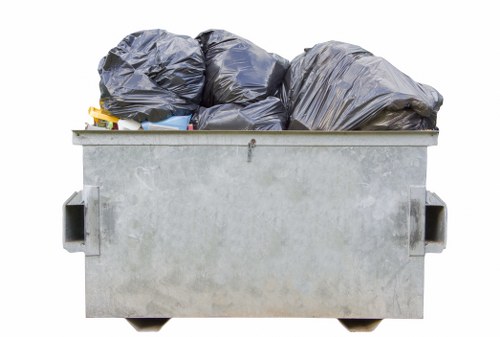 This document sets out the formal complaints procedure for businesses using commercial waste collection and commercial rubbish removal services in the service area. It explains how to raise a concern, the stages of investigation, expected timescales and the remedies that may be offered. The aim is to resolve issues quickly, fairly and transparently while maintaining safe waste management and regulatory compliance.
The procedure applies to all aspects of commercial waste collection, including scheduled bin collections, ad-hoc waste disposal, and any ancillary services provided by the contractor. If you are unhappy about service reliability, inappropriate removal practices, damage to property or perceived breaches of contract, please follow the steps described below. We encourage businesses to provide clear information and any supporting evidence to help with a prompt resolution.
 In all cases the company will treat complaints seriously and handle them in a confidential manner. Complaints will be recorded, acknowledged and investigated by trained staff. The process is designed to be impartial: staff involved in the investigation will not be the same staff who were responsible for the service delivery under review. Where necessary, a manager will review the findings and determine appropriate remedies or corrective actions.
 Stage 1: Informal Resolution — Immediate Response. Most concerns are resolved informally and quickly. If an operational problem occurs (missed collection, contamination issue, late arrival), the first step is to notify the on-duty operations team through the customer channel provided at the time of service. Provide the service reference, location, date and time and a brief description of the issue. An acknowledgement will be issued and, where feasible, an immediate corrective action will be scheduled.
Stage 2: Formal Complaint — Written Submission. If the informal approach does not resolve the matter, customers may escalate to a formal complaint. A formal complaint should include: the nature of the complaint, dates and times, names of any staff involved (if known), account or service reference, and any photos or documents that support the claim. Complaints can be submitted in writing so there is a clear audit trail for review and recordkeeping.
The investigation will involve gathering relevant records such as service logs, vehicle tracking data, pickup manifests and staff statements where relevant. Investigators will aim to complete an initial review within a defined timescale and will provide an estimated completion date for the full investigation.
Stage 3: Assessment and Decision. Once the investigation is complete a written outcome will be shared detailing the findings, conclusions and any corrective actions. Common outcomes include confirmation of service failure with proposed remedies, clarification that the service met contractual standards, or identification of third-party factors outside the company’s reasonable control. In all cases the decision will explain the reasons and evidence considered.
Remedies and Corrective Actions: Where fault is found, remedies may include repeat collections, credits, changes to scheduling, staff retraining or process changes to prevent recurrence. Any remedies proposed will be reasonable and proportionate to the issue and the commercial nature of the service. The company may also outline steps taken to prevent similar problems in the future.
Escalation and Independent Review: If a customer remains dissatisfied after the formal stage, they may request a managerial review. This internal escalation will be handled by a senior manager who was not part of the original investigation. If an independent review is appropriate under regulatory guidance, the company will explain available external dispute resolution options, subject to the jurisdiction and regulatory framework governing waste services.
 Timescales and Service Standards. The company aims to acknowledge all formal complaints within five business days and provide a final written response within 20 working days of receipt, wherever practicable. Complex investigations requiring third-party liaison or regulatory consultation may necessitate longer but the complainant will be kept informed of any delays and reasons for extension.
Recordkeeping and Privacy. All complaints, investigations and outcomes will be recorded and retained in accordance with data retention policies. Personal data gathered during the complaints process will be handled confidentially and used only for the purpose of resolving the complaint and improving service delivery. Records enable analysis of trends to enhance the quality of commercial waste services across the service area.
 Continuous Improvement and Reporting. The organisation uses complaint data to identify systemic issues and to drive continuous improvement in commercial waste removal operations. Periodic internal reviews and audits assess compliance with environmental and safety standards. The complaints process itself is reviewed on a regular basis to ensure clarity, accessibility and fairness for businesses who rely on reliable waste removal services.
How to Prepare a Clear Complaint
Before submitting a formal complaint, gather key details: dates, times, service reference, photographs, and any communications you have already had with operational staff. A clear statement of the desired outcome helps investigators consider suitable remedies. Be factual and concise; this helps reduce investigation time and supports a timely resolution.
What You Can Expect
Expect a professional, unbiased assessment with documented findings. The process is designed to be transparent: the complainant will be kept informed of progress and the rationale for any decisions. The company will apply consistent standards to all complaints about commercial waste collection and refuse removal in the service area.
Key steps include:
- Record and acknowledge the complaint promptly.
- Investigate using service records, staff accounts and evidence supplied.
- Communicate findings and propose remedies where appropriate.
- Offer internal escalation if the outcome is disputed.
By following this complaints procedure, businesses using commercial waste removal and commercial rubbish services can expect a structured, accountable approach to resolving disputes that affect operational continuity and environmental compliance. The company values clear communication and will seek to restore service standards swiftly while learning from each incident to improve future performance.
